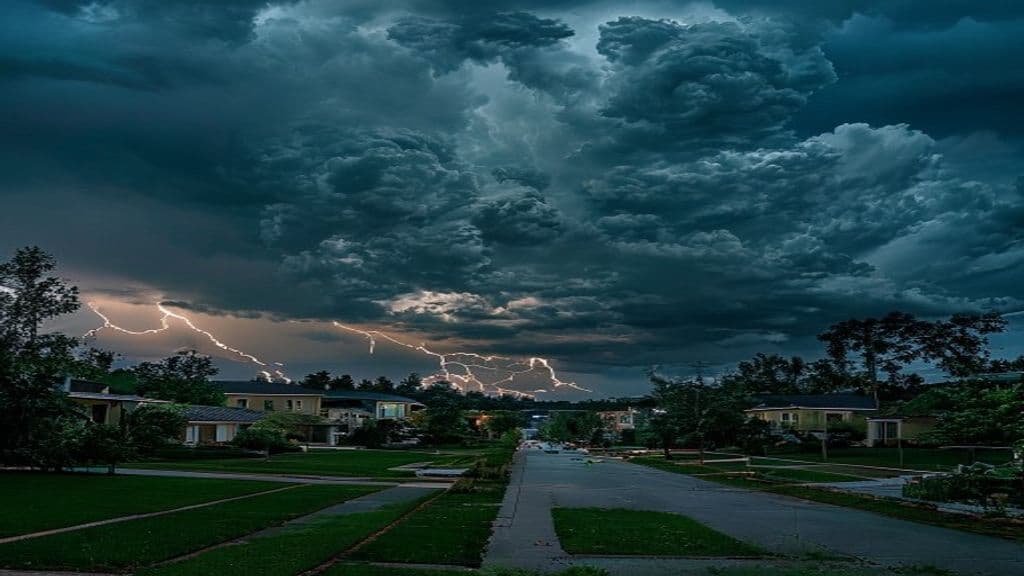
What Odessa Homeowners Need to Know About Texas Storm Season This Week
Did you know that a single hail storm can cause over $100 million in damages statewide? Last year, Texas insurers paid out a record-breaking $1.4 billion in claims related to severe weather events.
The Texas difference: why this state has unique rules
Texas' climate and geography make it particularly prone to extreme weather events like hail storms and tornadoes. I've seen this happen – one year, a single storm rolled through Abilene and left thousands of homes with damaged roofs.
According to the National Oceanic and Atmospheric Administration (NOAA), Odessa receives an average of 54 days with thunderstorms per year, making it one of the top cities in Texas for severe weather. And let me tell you, we're not just talking about a little rain – we're talking hail the size of baseballs.
What you're actually owed — the real numbers
A typical Odessa homeowner on a 1,800 sq ft house insured at $320k faces a 1% hail deductible, meaning $3,200 out of pocket before insurance pays anything. That's not chump change – it's real money.
For example, if you have a $10,000 roof replacement after a hail storm, and your insurer offers a 1% deductible, you'll need to pay the first $100 before insurance kicks in. This means that even with comprehensive coverage, homeowners may be responsible for paying thousands of dollars out of pocket.
How to get the most from your claim or contractor
To maximize your chances of receiving fair compensation after a storm, follow these steps:
- Get multiple quotes from licensed contractors before agreeing on repairs. This will help you negotiate better prices and avoid overcharging.
- Document everything: take photos and videos of the damage, keep records of all communication with your insurer or contractor, and save receipts for any temporary repairs or accommodations.
- Contact the Texas Department of Insurance (TDI) if you suspect your insurer is not acting in good faith. The TDI offers a complaint hotline and can help mediate disputes between homeowners and insurers.
- Keep track of deadlines: most insurance policies have specific time limits for filing claims, so make sure to review your policy carefully and plan accordingly.
Red flags: when the contractor or insurer is acting in bad faith
Be cautious if a contractor says "we'll cover your deductible" – that's insurance fraud under Texas law, and you should walk away immediately. Honestly, there's no gray area here.
- If an insurer denies your claim without providing clear evidence or explanation.
- If a contractor tries to steer you towards specific repairs or materials that are not necessary for the job at hand.
- If an insurer offers to pay out-of-pocket costs instead of covering damages through your policy.
- If a contractor demands payment upfront without providing clear estimates or invoices.
This week, take the time to review your insurance policy and make sure you understand what's covered – and what's not. Check with your insurer for any specific requirements or deadlines related to storm season, and don't hesitate to reach out if you have questions or concerns about the claims process.
Understanding Your Explanation of Loss Document
Your insurance company is required by law to provide you with an Explanation of Loss document after processing your claim. This document explains why certain damages or losses were not covered under your policy and outlines the basis for any payment made.
- Review this document carefully, paying close attention to any adjustments made to your initial claim amount.
- Check for specific details about what was covered and what wasn't, including any applicable deductibles or exclusions.
When to Hire a Public Adjuster vs. an Attorney in Texas
In Texas, public adjusters are licensed professionals who represent homeowners in insurance claims negotiations. However, there are key differences between hiring a public adjuster versus an attorney:
- A public adjuster can help you navigate the claims process and ensure your rights as a policyholder are protected.
- An attorney may be necessary if disputes arise or if you're considering a lawsuit against your insurance company. In Texas, attorneys' fees for bad faith cases can range up to 20% of the damages awarded (Texas Insurance Code, Section 541.201).
Texas-Specific Resources and Phone Numbers
For additional guidance or support during storm season, reach out to these Texas-specific resources:
- The Texas Department of Insurance (TDI) offers a dedicated hotline for homeowners with insurance questions: 1-800-TDI-HLP.
- The Texas Windstorm Insurance Association (TWIA) provides information on its website or by calling 1-800-788-6384.
Share this article
Odessa Homeowner? Get Free Help.
Texas Property Help connects homeowners with local contractors and free insurance claim guidance — no pressure, no obligation. Texas issues no state roofing license; matching depends on availability.
Request Help Now →