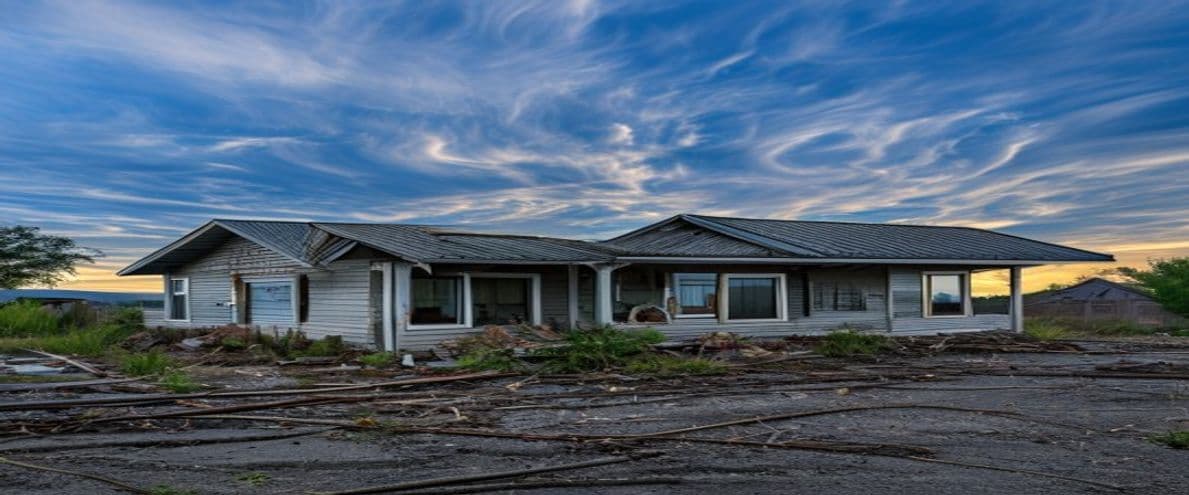
Avoiding Costly Mistakes in the First 48 Hours After a Texas Storm
You just survived a severe storm in Houston, and your roof is damaged from hail. You're not sure what to do next, but you know you need to act fast to prevent further damage. I've seen this happen to too many people – they wait too long, and it costs 'em an arm and a leg.
The Root Cause: Insurer Behavior and State Laws
In Texas, insurance companies often try to lowball payouts by using depreciation methods that can reduce your claim amount. According to the Texas Department of Insurance (TDI), in 2022, insurers paid out $4.8 billion in homeowners' insurance claims, but many policyholders still received lower-than-expected settlements due to these tactics. Look – it's not just about being unlucky; it's about understanding how your insurer works.
In Texas, you've got exactly 24 months from the storm date to file a claim with your insurer. State Farm and Allstate handle depreciation differently, so get familiar with how your specific policy works – don't wait for them to tell you.
What the Insurance Company Doesn't Volunteer
- When assessing damage, insurers often don't consider labor costs, permits, or inspections. Don't assume they'll take care of everything; get multiple quotes from licensed contractors and review those estimates carefully.
- Some insurance policies require specific documentation – like taking photos or videos of damaged areas. Keep a record of all correspondence with your insurer, including dates and times of conversations. Here's the thing – if you don't document it, they might deny it.
- Don't assume your policy covers storm-related damage without reviewing those policy documents real quick. It's not worth taking any chances.
- Be aware that some insurers may try to deny claims or delay payments. If you suspect this is happening, contact the TDI for assistance – they're there to help.
Exactly What to Do — Step by Step
- Contact your insurer immediately to report the damage and ask about next steps in the claims process. Be prepared to provide documentation of the damage – like photos or videos. Don't be shy about asking questions, either.
- Visit the Texas Department of Insurance website (tdi.texas.gov) for info on storm insurance claims and how to file a complaint if you have issues with your insurer. Honestly, it's worth knowing what resources are available to you.
- Gather evidence of damage, including receipts for repairs, estimates from contractors, and any communication with your insurer. Keep detailed records of all interactions – trust me, you'll need 'em.
- If the first steps don't work, consider contacting a public adjuster or seeking assistance from a homeowner advocacy group like Texas Property Help (just kidding!). Seriously though, don't be afraid to ask for help if you're stuck.
Mistakes that Kill Houston Claims
Many homeowners in Houston make the mistake of assuming their policy covers storm-related damage without reviewing those policy documents carefully. This can lead to denied claims and costly repairs out-of-pocket. Don't be one of 'em – review your policy, ask questions, and document everything.
By following these steps and being aware of insurer behavior and state laws, you can increase your chances of a successful claim. Every situation is different, but generally, it's all about staying informed and proactive. Don't wait until it's too late – act quickly to protect your home and finances.
How to Read Your Explanation of Loss Document
The Explanation of Loss (EOL) document is a crucial part of your insurance claim process in Texas. This document outlines the insurance company's calculations for determining your loss, including the amount you'll be paid out-of-pocket and any deductibles. Take time to carefully review this document – it may contain errors or discrepancies that could impact your payout. It's not just about reading the fine print; it's about understanding what it means.
Avoid relying solely on the EOL; instead, use it as a starting point to understand the insurance company's assessment. Be sure to ask questions and request clarification if you're unsure about any aspect of the document. Keep in mind that Texas law requires insurers to provide an Explanation of Loss within 30 days of receiving your claim.
When to Hire a Public Adjuster vs. an Attorney in Texas
While public adjusters and attorneys can both be valuable resources during the claims process, it's essential to understand their roles and when to hire each professional. Public adjusters are licensed insurance experts who work on behalf of policyholders to negotiate with insurers and ensure accurate claim settlements. In contrast, attorneys specialize in law and may represent clients in court if disputes arise.
Consider hiring a public adjuster if you're dealing with complex claims (e.g., those exceeding $50,000) or require specialized expertise. However, if the insurance company denies your claim or you suspect intentional bad faith, an attorney may be more suitable to protect your rights under Texas law.
Texas-Specific Resources and Phone Numbers
- Texas Department of Insurance (TDI): tdi.texas.gov, 1-877-443-7589
- Texas Department of Licensing and Regulation (TDLR): tdlr.texas.gov, 1-800-803-9202
- Texas Windstorm Insurance Association (TWIA): twia.org, 1-877-307-4675
What Happens During an Appraisal Process in Texas
An appraisal process is a formal negotiation between the insurance company and policyholder to determine the actual cash value of damaged property. This process typically involves three parties: the insured, insurer, and impartial umpire (or appraiser). The umpire makes a final decision based on expert opinions and evidence presented during the appraisal.
Under Texas law, insurers are required to provide a written explanation for their appraised value within 30 days of completing the appraisal process. If you're involved in an appraisal, be sure to keep detailed records of all communication and evidence presented to support your claim.
Realistic Timelines: How Long Claims Actually Take in Texas
The length of time it takes for a claims process can vary significantly depending on the complexity of the claim and insurance company's efficiency. Typically, minor claims are resolved within 30-60 days, while more complex cases may take several months to a year or longer to settle.
Be aware that Texas law requires insurers to provide an initial estimate for repairs within 5 working days of receiving your claim. However, it's not uncommon for claims to drag on due to delays in communication or disputes between parties.
City-Specific Contractor Red Flags or Local Context for Houston
Houston homeowners should be aware of the city's unique contractor landscape and potential red flags when selecting repair professionals. Some areas to watch out for include high-pressure sales tactics, unlicensed contractors, and inadequate warranty or guarantee policies.
Research reputable local contractors and check online reviews before making a hiring decision. Consider working with licensed contractors who have experience with Texas-specific regulations and insurance claims processes (e.g., those certified by the National Association of Home Builders).
By understanding these essential resources, timelines, and red flags, you'll be better equipped to navigate the complex world of Houston storm damage claims. Whether you're dealing with a straightforward repair or an intricate dispute, stay vigilant and proactive to protect your home and finances.
Share this article
Houston Homeowner? Get Free Help.
Texas Property Help connects homeowners with local contractors and free insurance claim guidance — no pressure, no obligation. Texas issues no state roofing license; matching depends on availability.
Request Help Now →