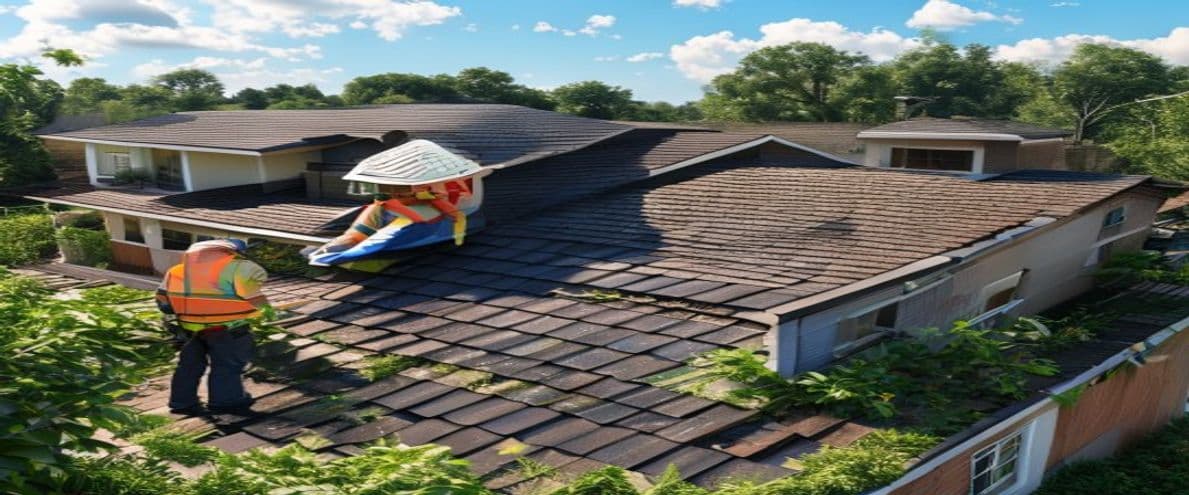
5 Red Flags that a Roofer is Trying to Scam You after a Storm
Did you know, like, literally, Texas has seen a huge spike in roofing contractor scams since Tropical Storm Allison hit Houston back in 2001? In San Antonio alone, this means thousands of homeowners are getting taken advantage of by storm chasers and unscrupulous roofers.
The Texas difference: why this state's rules are kinda unique
TDLR licenses specific trades — electricians and air conditioning contractors among them — but Texas does not license roofing contractors or contractors in general.
Texas issues no state roofing license, so a TDLR lookup will not show one for a roofer. Ask instead for proof of general liability insurance, a local physical address, and BBB history, and get the scope of work and any warranty in writing before you hire.
What you're actually owed — the real numbers (no joke)
A typical San Antonio homeowner on a 1,800 sq ft house insured at $320k faces a 1% hail deductible, meaning $3,200 out of pocket before insurance pays anything. I've seen this go wrong more times than I can count.
How to get the most from your claim or contractor (it's not rocket science)
To maximize your chances of getting fair treatment from your insurer and contractor, follow these practical steps:
- Texas issues no state roofing license, so a TDLR lookup will not show one for a roofer — check instead for proof of general liability insurance, a local address, and BBB history before you hire.
- Get at least three bids from licensed roofers, including written estimates detailing the scope of work and materials used.
- Contact your local Better Business Bureau (BBB) to check if the roofer has an active complaint history or ratings. For San Antonio residents, call 210-223-3000 for assistance.
- Keep detailed records of all correspondence with your insurer and contractor, including dates, times, and the content discussed. This will help you track progress and identify any potential issues.
Red flags: when the contractor or insurer is acting in bad faith (and no one likes that)
Be wary of contractors who use high-pressure sales tactics or make promises they can't keep. If a roofer says, "we'll cover your deductible," that's insurance fraud under Texas law – walk away immediately.
And let's be real, contractors who ask for upfront payment in full before starting work? That's just plain fishy. Also, insurers denying claims without sufficient evidence or documentation? Not cool.
TDLR licenses specific trades — electricians and air conditioning contractors among them — but Texas does not license roofing contractors or contractors in general.
How to Read Your Explanation of Loss Document (it's not that hard)
The Explanation of Loss (EOL) document is a crucial part of your insurance claim, outlining the insurer's calculation of your damages. In Texas, EOL documents must comply with Insurance Code Section 542.051, which requires insurers to provide detailed explanations of their calculations.
When reviewing your EOL, look for specifics on:
- Dollar amounts for each type of damage (e.g., roof replacement vs. repair)
- Methods used to calculate depreciation and deductibles
- Copies of all relevant estimates and invoices
Take the time to carefully review your EOL, asking questions if you don't understand any aspect of it. Remember, this document will serve as a critical reference point throughout your claims process.
Texas-Specific Resources for Storm Claims (you gotta know these)
When dealing with storm claims in Texas, having access to the right resources can make all the difference. The following phone numbers and websites are essential contacts:
- TDI (Texas Department of Insurance): 1-800-252-3439 or tdi.texas.gov
- TDLR (Texas Department of Licensing and Regulation): 1-800-803-9202 or tdlr.texas.gov
- TWIA (Texas Windstorm Insurance Association): 1-800-866-3484 or twia.org
Don't hesitate to reach out to these organizations for guidance on navigating the storm claims process in Texas.
Appraisal Process: What You Need to Know (just be aware)
And you know what? That's the part most people miss. When it comes to the appraisal process, homeowners need to understand that it's not just about getting a fair price for repairs – it's also about ensuring that all necessary work is done correctly.
So, what can you do to ensure you're getting the best possible outcome? For starters, make sure you understand your policy and the claims process. Don't be afraid to ask questions or seek advice from professionals if needed. And remember, staying informed is key to avoiding roofing scams and getting the fair treatment you deserve.
Share this article
San Antonio Homeowner? Get Free Help.
Texas Property Help connects homeowners with local contractors and free insurance claim guidance — no pressure, no obligation. Texas issues no state roofing license; matching depends on availability.
Request Help Now →