Midland Homeowners Are Being Taken Advantage Of: Understanding Texas Storm Season
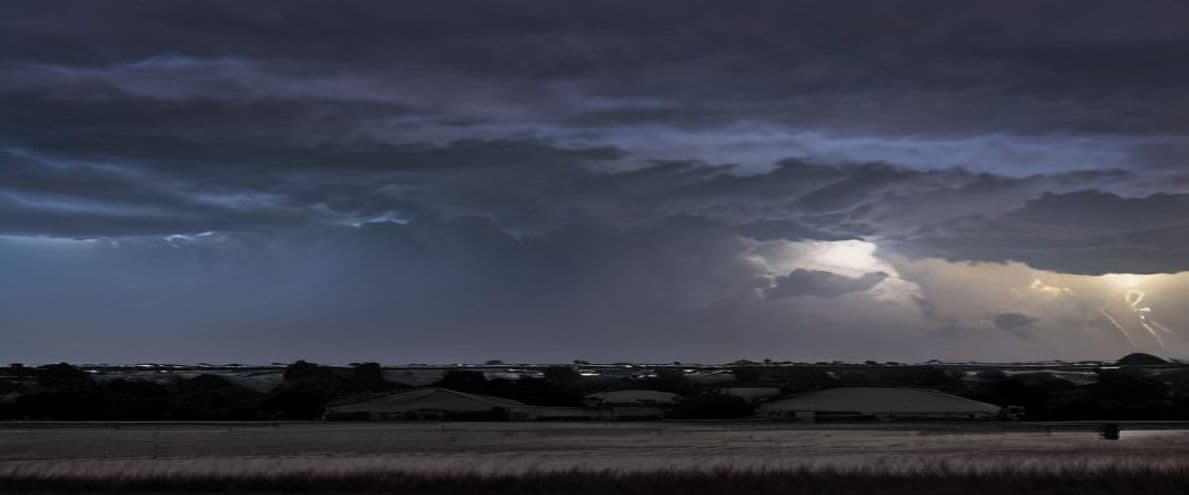
You're sitting in your living room, watching the news as a severe storm warning is issued for Midland, Texas. You know that hail and strong winds can cause significant damage to your home's roof, siding, and windows. Did you know that Texas has one of the highest rates of hail-related insurance claims in the country?
Why This Keeps Happening - And What It Costs You
The root cause of this issue is largely due to the high deductible structure in many Texas homeowner policies. According to Texas law, your wind and hail deductible can be a percentage of your home's insured value, not a flat amount. For example, if you have a $300,000 home with a 2% wind/hail deductible, that's $6,000 out-of-pocket expenses before your insurance kicks in.
Additionally, many insurers in Texas handle depreciation differently. Some may use the "actual cash value" (ACV) method, which can result in lower payouts for repairs or replacements. State Farm and Allstate have been known to use this method, but it's essential to review your policy documents carefully to understand how your insurer handles depreciation.
What The Insurance Company Doesn't Volunteer
Many homeowners are unaware that their insurance company may not provide adequate coverage for storm-related damage. Some policies might exclude certain types of damage or have low limits, leaving you with a significant financial burden.
- Review your policy documents carefully to understand what's covered and what's not. Pay particular attention to the deductible structure, depreciation method, and any exclusions or limitations.
- Make sure you have separate flood insurance coverage if you live in a high-risk area. NFIP (National Flood Insurance Program) policies are required for federally-backed mortgages in special flood hazard areas.
- Familiarize yourself with Texas law regarding contractor licenses. Only work with licensed roofing contractors, as they must meet specific standards and requirements to ensure quality workmanship.
- Document everything: take photos of your property before the storm, note any damage or issues after the storm, and keep records of all communication with your insurance company.
Exactly What To Do - Step By Step
- Contact your insurance company as soon as possible to report any damage. Be prepared to provide detailed information about the incident, including photos and documentation.
- Reach out to TDI (Texas Department of Insurance) for guidance on navigating the claims process. You can call them at 800-252-3439 or visit their website at tdi.texas.gov.
- Gather evidence of damage, including photos, videos, and witness statements. Keep a record of all communication with your insurance company, including emails, phone calls, and meetings.
- If the first steps don't result in a satisfactory outcome, consider seeking assistance from a public adjuster or an attorney specializing in property claims. Be cautious when selecting a professional to ensure they are licensed and reputable.
Mistakes That Kill Midland Claims
Many homeowners make critical mistakes during the claims process, resulting in delayed or denied claims. For instance, failing to document damage thoroughly can lead to disputes over coverage or damages. Similarly, not understanding the depreciation method used by your insurer can result in lower payouts. Furthermore, working with unlicensed contractors can void your insurance policy and leave you liable for any damages.
By following these steps and being aware of potential pitfalls, you can increase your chances of a successful claim and minimize financial losses. However, it's essential to remain realistic about the process and understand that outcomes may vary depending on individual circumstances. With patience, persistence, and the right guidance, you can navigate the complex world of Texas storm season and protect your home and family.
Share this article
Midland Homeowner? Get Free Help.
Texas Property Help connects homeowners with local contractors and free insurance claim guidance — no pressure, no obligation. Texas issues no state roofing license; matching depends on availability.
Request Help Now →