Homeowner guide — general guidance, not a report of a current local event.
What to do if your AC goes out after a Texas storm or extreme heat
Documenting Damage Safely and Reviewing Paperwork
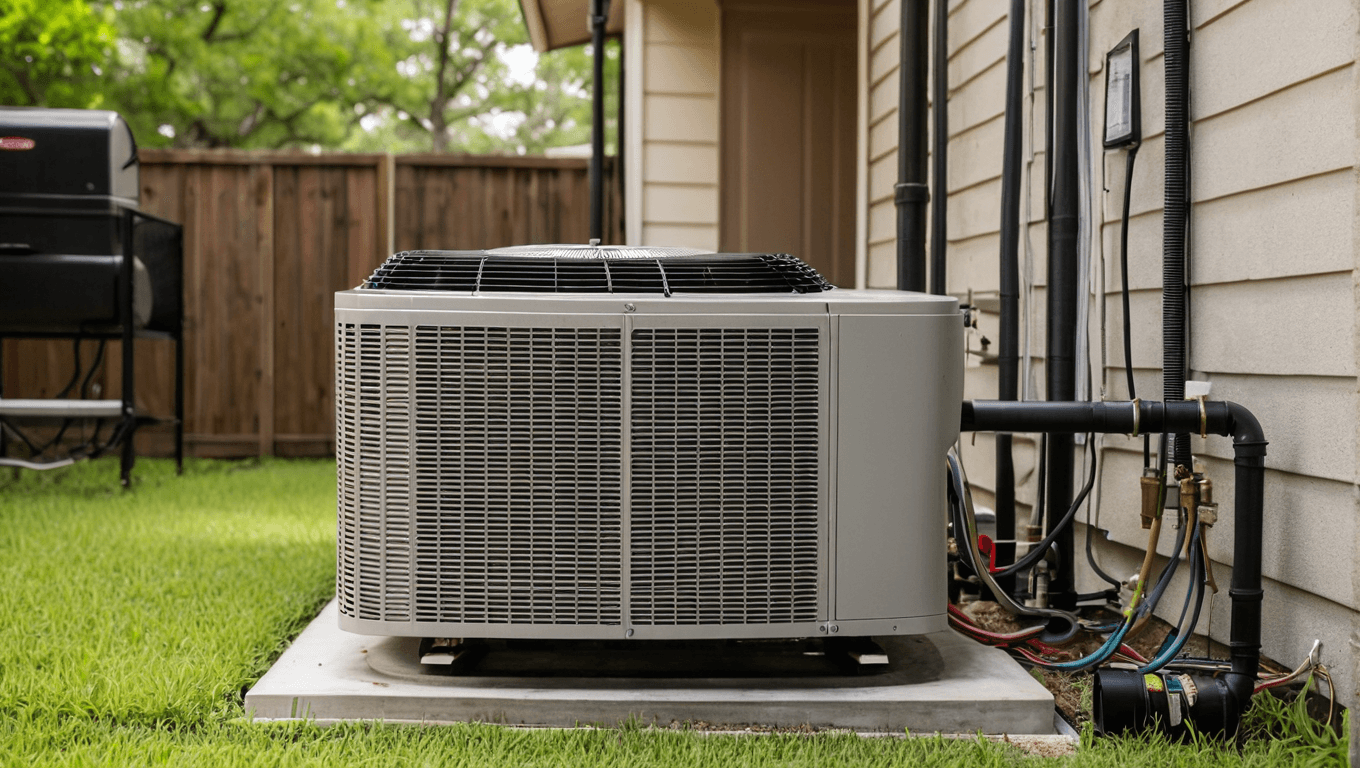
- Take photos and videos: Document the damage to your air conditioning unit, including any signs of water damage or other issues.
- Record only damage visible from a safe location. Do not open equipment or approach standing water, exposed wiring or unstable structures; leave the assessment to a qualified professional.
- Review your policy: Check your homeowner's insurance policy to see if it covers damage from extreme weather events or equipment failure.
Consulting a Qualified Professional
- Ask specific questions: When contacting an emergency repair service or HVAC technician, ask about their experience with storm-related AC repairs and their availability for emergency services.
- Identify information still needed: Determine what documentation is required to file a claim, such as receipts for temporary repairs or estimates from multiple contractors.
Additional Considerations
If you are unable to stay in your home due to extreme heat or storm damage, check your policy for coverage of living expenses, such as hotel stays or meal reimbursement.
Be cautious when dealing with emergency repair services, and always research a contractor's credentials and reviews before hiring them.
Never sign a contract that has blank spaces, and be wary of contractors who offer to waive your deductible.
Sources
Share this article
Austin Homeowner? Get Free Help.
Texas Property Help connects homeowners with local contractors and free insurance claim guidance — no pressure, no obligation. Texas issues no state roofing license; matching depends on availability.
Request Help Now →